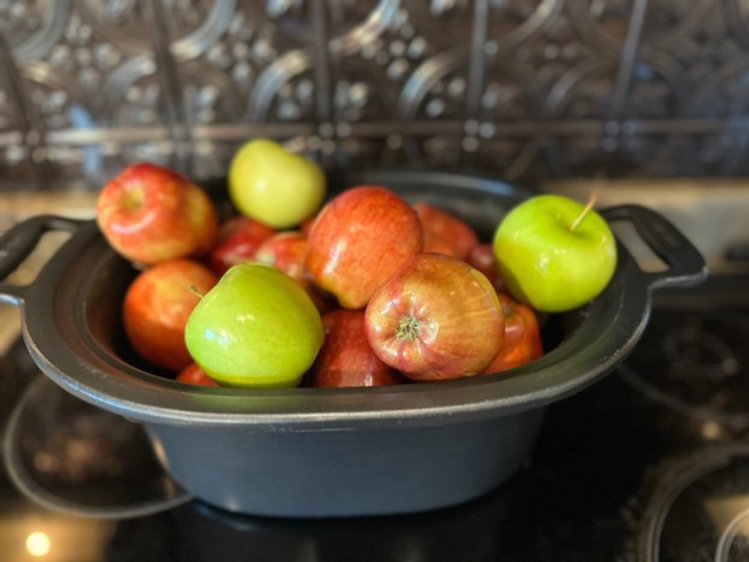
The Secret Ingredient: Unlocking Flavor with the Right Apples for Your Slow Cooker Apple Butter
There's a special kind of magic that happens when fresh apples meet the low, slow heat of a crock pot. What emerges hours later is a deeply flavorful, richly spiced fruit butter – a quintessential taste of fall, perfect for spreading on toast, swirling into yogurt, or even pairing with savory dishes. While the "fix it and forget it" nature of making
apple butter in crock po is undeniably appealing, the choice of apples is perhaps the most crucial decision you'll make in crafting a truly exceptional batch. Don't underestimate the power of selecting the right fruit; it can transform your apple butter from merely good to absolutely sublime.
The Core of Flavor: Why Apple Choice Matters for Your Crock Pot Apple Butter
At its heart, apple butter is a celebration of apples. The extended cooking time in a slow cooker caramelizes the natural sugars, creating a depth of flavor far beyond simple applesauce. But not all apples are created equal when it comes to this culinary transformation. Their unique profiles – sweetness, tartness, and texture – each play a vital role in the final product.
Think of it like building a symphony: you want a harmonious blend of instruments, not just one dominant sound. For the most complex and well-rounded
apple butter in crock po, a thoughtful mix of apple varieties is paramount.
*
Sweet Apples (e.g., Gala, Fuji, Honeycrisp): These varieties bring a natural sweetness that contributes to the rich caramelization process. They offer a delightful base note, reducing the need for excessive added sugar. Gala apples are known for their mild sweetness and crisp texture, while Fuji apples boast a crispness and intense sweetness. Honeycrisp, a popular choice, offers a balanced sweet-tart flavor with an explosive crunch that softens beautifully during cooking.
*
Tart Apples (e.g., Granny Smith, McIntosh, Cortland): The tartness from these apples provides a crucial counterpoint to the sweetness. It prevents the apple butter from becoming cloyingly sweet and adds a bright, zesty dimension that makes the overall flavor more vibrant and intriguing. Granny Smith is the quintessential tart apple, holding its shape well initially but breaking down nicely with prolonged cooking. McIntosh apples are famously soft and aromatic, breaking down very quickly, lending a wonderful perfume to the mix. Cortland apples are another great tart option that resist browning, keeping your apple butter's color appealing.
*
Texture and Breakdown: Softer apples like McIntosh and Cortland will break down much faster, contributing to a smooth consistency. Firmer apples, even tart ones like Granny Smith, will take longer but add body. A mix ensures you get both quick breakdown and structural integrity, leading to a perfectly thick and spreadable texture without excessive effort.
While it's true that *any* apple will work – making this a fantastic recipe for utilizing an abundance of a single variety – aiming for a balanced blend will truly elevate your slow cooker apple butter experience. Consider the natural sugar content too; if you're using predominantly very sweet apples, you might want to slightly reduce the amount of added sugar initially and adjust to taste later.
Top Apple Varieties for Your Slow Cooker Apple Butter Blend
To help you achieve that perfect balance, here’s a guide to some of the best apple varieties for your next batch of homemade
crock pot apple butter:
*
For Sweetness and Aroma:
*
Gala: Sweet, crisp, and widely available. A reliable workhorse that provides a solid sweet base.
*
Fuji: Known for its intense sweetness and firmness, it caramelizes beautifully.
*
Honeycrisp: A crowd-pleaser offering a fantastic balance of sweet and tart with a unique crispness that transforms into a tender texture when cooked down.
*
Braeburn: Offers a pleasant sweet-tart flavor with a firm texture that contributes to a rich, deep apple butter.
*
For Tartness and Brightness:
*
Granny Smith: The classic tart apple. Essential for balancing sweetness and adding a tangy kick. Its firmness ensures it doesn't disappear too quickly.
*
McIntosh: Very soft and aromatic, it breaks down quickly and infuses your apple butter with a beautiful, perfumed quality. A must-have for a traditional flavor.
*
Cortland: Offers a mild tartness and resists browning, which can be a plus for visual appeal.
*
For Quick Breakdown and Smoothness:
*
Gravenstein: An heirloom variety celebrated for its rich, complex sweet-tart flavor and quick-cooking nature. Excellent for a smooth butter.
*
Jonamac: A cross between McIntosh and Jonathan, it combines the aromatic qualities of McIntosh with a slightly firmer texture.
*
Ida Red: Tart and firm, but breaks down well during cooking, adding a vibrant flavor.
*
Liberty: A disease-resistant variety with a pleasant sweet-tart taste and good cooking characteristics.
Don't feel pressured to buy obscure varieties. The best strategy is often to choose 2-3 types readily available at your local grocery store or farmer's market. Many seasoned cooks even recommend checking the "reduced-price" rack for apples that are perfectly ripe and ready for cooking, ensuring both delicious results and a budget-friendly batch.
Beyond the Blend: Prepping Your Apples for Perfect Apple Butter in Crock Pot
Once you’ve assembled your perfect medley of apples, proper preparation is key to achieving that signature smooth, dark, and intensely flavored slow cooker apple butter.
*
Peeling: The Path to Smoothness: For the most traditional and velvety-smooth texture, peeling your apples is highly recommended. The peels, while nutritious, can leave a slightly coarser texture in the final product. If you prefer a rustic charm and don't mind a little extra texture, you *can* leave them on, but for that classic spreadable consistency, grab your peeler.
*
Corning and Chopping: Small is Mighty: After peeling (if desired), thoroughly wash your apples. Then, core them and chop them into small, uniform pieces. Smaller pieces are crucial because they break down much faster and more evenly in the slow cooker, reducing the overall cooking time and ensuring a consistently smooth result. A helpful hack for coring and chopping: if you have an apple corer, cut your peeled apples in half at the equator *before* pushing them through the corer. This clever trick gives you smaller, already chopped pieces, saving you precious hand-chopping time.
*
Filling Your Crock Pot: Don't be shy! Load your prepped apples into a 4-quart or larger slow cooker. It’s perfectly fine if they mound over the top initially; apples shrink considerably as they cook down.
For more detailed instructions on the "set it and forget it" aspect of making this delicious condiment, you might find our
Effortless Crock Pot Apple Butter: The Fix-It & Forget-It Recipe article incredibly helpful.
Crafting Your Crock Pot Apple Butter: Beyond the Apples
While apples are the star, the supporting cast of spices and careful cooking techniques complete the show, transforming them into a rich, dark spread.
*
Spices: The Aroma of Fall: Ground cinnamon is a staple, providing that warm, comforting essence. For convenience, many recipes allow for the substitution of apple pie spice blend. If you go this route, a good general ratio is 1 tablespoon plus 1 teaspoon of the blend for the standard amount of individual spices. Feel free to experiment with other warm spices like cloves, nutmeg, or allspice to add even more complexity and a personalized touch to your
apple butter in crock po.
*
The Slow Cooker Process: The beauty of a slow cooker is its gentle, even heat. Typically, you'll start with apples, sugar, and spices, perhaps on high for an initial hour to get things going, then switch to low for many hours. This extended cooking time is what differentiates apple butter from applesauce. While both start with similar ingredients, apple butter cooks significantly longer, allowing the natural sugars to caramelize intensely. This results in a much darker color, a thicker, more concentrated consistency, and a profound, deeper flavor profile than its applesauce cousin.
*
Knowing When It's Done: After the long cooking period and blending (which you'll typically do once the apples have broken down significantly), your apple butter should be thick, dark brown, and wonderfully smooth. A classic test for doneness is to spoon a small amount onto a cold plate. If a watery ring doesn’t form around the edge, it’s thick enough.
*
Adjusting Thickness: If, after blending, your apple butter is thinner than you'd prefer, don't despair! Simply return it to the slow cooker, prop the lid ajar to allow steam to escape, and cook on LOW for another 1-2 hours. This reduction time will thicken it to perfection.
Once your luscious apple butter is ready, you'll want to preserve its goodness. Whether you choose to refrigerate, freeze, or even can your homemade bounty, our comprehensive guide on
Homemade Apple Butter: Store, Freeze, or Can Your Crock Pot Batch will walk you through all the best methods.
Conclusion
Making
apple butter in crock po is a rewarding culinary journey that fills your home with the intoxicating aromas of autumn. By carefully selecting a blend of sweet and tart apples, prepping them thoughtfully, and letting your slow cooker work its magic, you're set to create a rich, deeply flavored spread that outshines any store-bought version. Don't be afraid to experiment with different apple combinations to discover your signature recipe. The effort is minimal, but the delicious rewards are endless – a true testament to the simple power of good ingredients and a little patience.